About 59% of occupied homes in Annapolis were built before 1980, and about 14% were built in 1939 or earlier, according to Census Bureau figures (American Community Survey, 2020-2024). This guide explains what an older house adds to a wet basement and what the City asks for before work on one.
The Short Answer
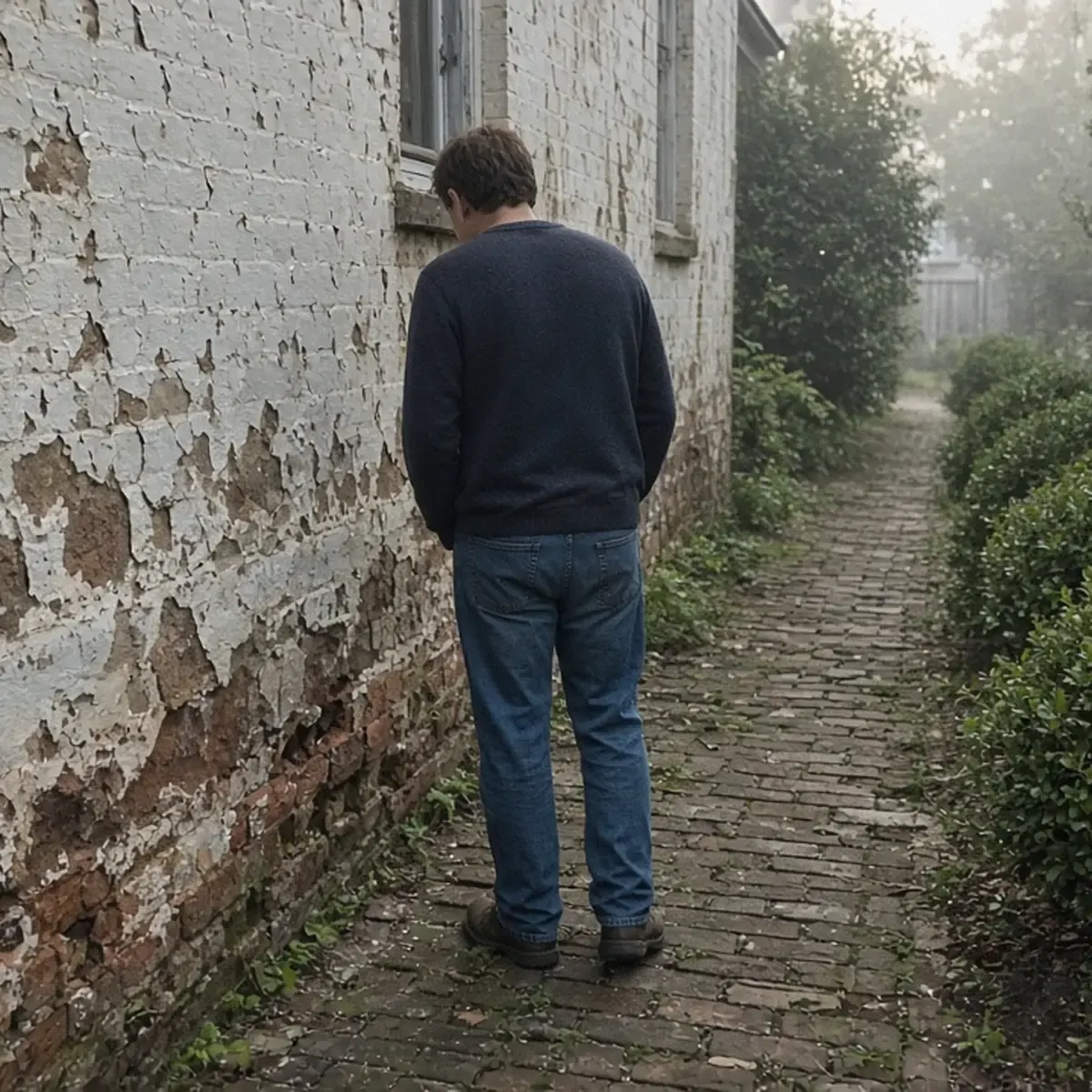
Older walls, joints, gutters and drains have had decades of weather behind them, so more places can let water in, and some older exteriors sit in the Historic District, where exterior projects need a certificate of approval. The cause is still found the same way: look outside first, then at the wall.
How Old Annapolis Homes Are
The table shows when the 17,998 occupied homes in Annapolis city were built (American Community Survey 5-year estimates, 2020-2024, Table S2504). These are estimates with margins of error, so read them as approximate.
| Year built | Homes | Share |
|---|---|---|
| 1939 or earlier | 2,514 | 14.0% |
| 1940 to 1959 | 2,533 | 14.1% |
| 1960 to 1979 | 5,652 | 31.4% |
| 1980 to 1999 | 4,249 | 23.6% |
| 2000 to 2009 | 1,922 | 10.7% |
| 2010 to 2019 | 898 | 5.0% |
| 2020 or later | 230 | 1.3% |
About 41% of occupied homes are detached houses and about 25% are attached houses such as townhouses. About 21% are in buildings with 10 or more apartments. The Census table does not say which homes have basements or crawl spaces, so that is a question for the inspection rather than the data.
What Age Adds to Basement Water
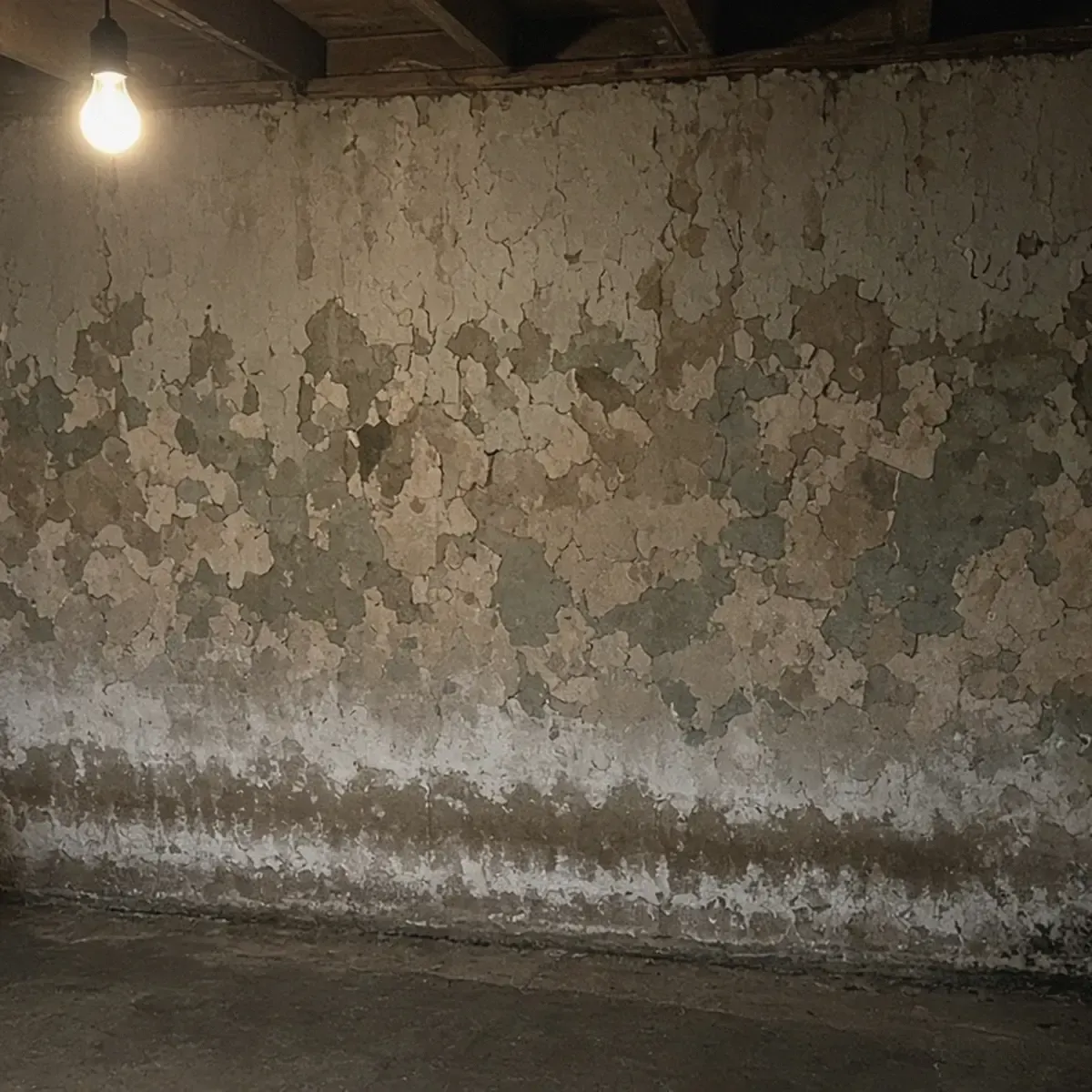
Age adds basement water in small steps. The NOAA climate normals for the Annapolis NAF, MD station (1991-2020) record 43.99 inches of precipitation a year, and over decades a basement wall sees a lot of it. Gutters and downspouts wear out, grades settle toward the house and cracks open at joints. The Maryland Geological Survey puts most wet basements down to the foundation, landscaping and grading, not to rising groundwater, and an older house has had more years for those causes to develop. Why is my basement wet
What the Foundation Is Made Of
The foundation material shapes the repair. Poured concrete, concrete block and stone each take water differently and each take a different method: block has hollow cores that hold water, and stone or rubble walls have joints that mortar repair has to follow. HomeGuide names the foundation type among the factors that change waterproofing work. Older Annapolis houses are where stone and block show up most, so the wall material gets identified at the inspection before any method is chosen. Basement leak and crack repair
The Historic District and Permits
The City of Annapolis permit page lists constructing, altering or repairing a building and installing or altering a plumbing system among the work that needs a permit (City Code 17.12.022), and says that exterior projects in the Historic District still require a certificate of approval in accordance with Chapter 21.56. Exterior waterproofing means digging and coating the outside of a foundation, so for a house in the Historic District the requirements get confirmed before anything starts. Interior work is planned the same way, with the permit question asked first. Exterior basement waterproofing
What the Work Looks Like on an Older Home
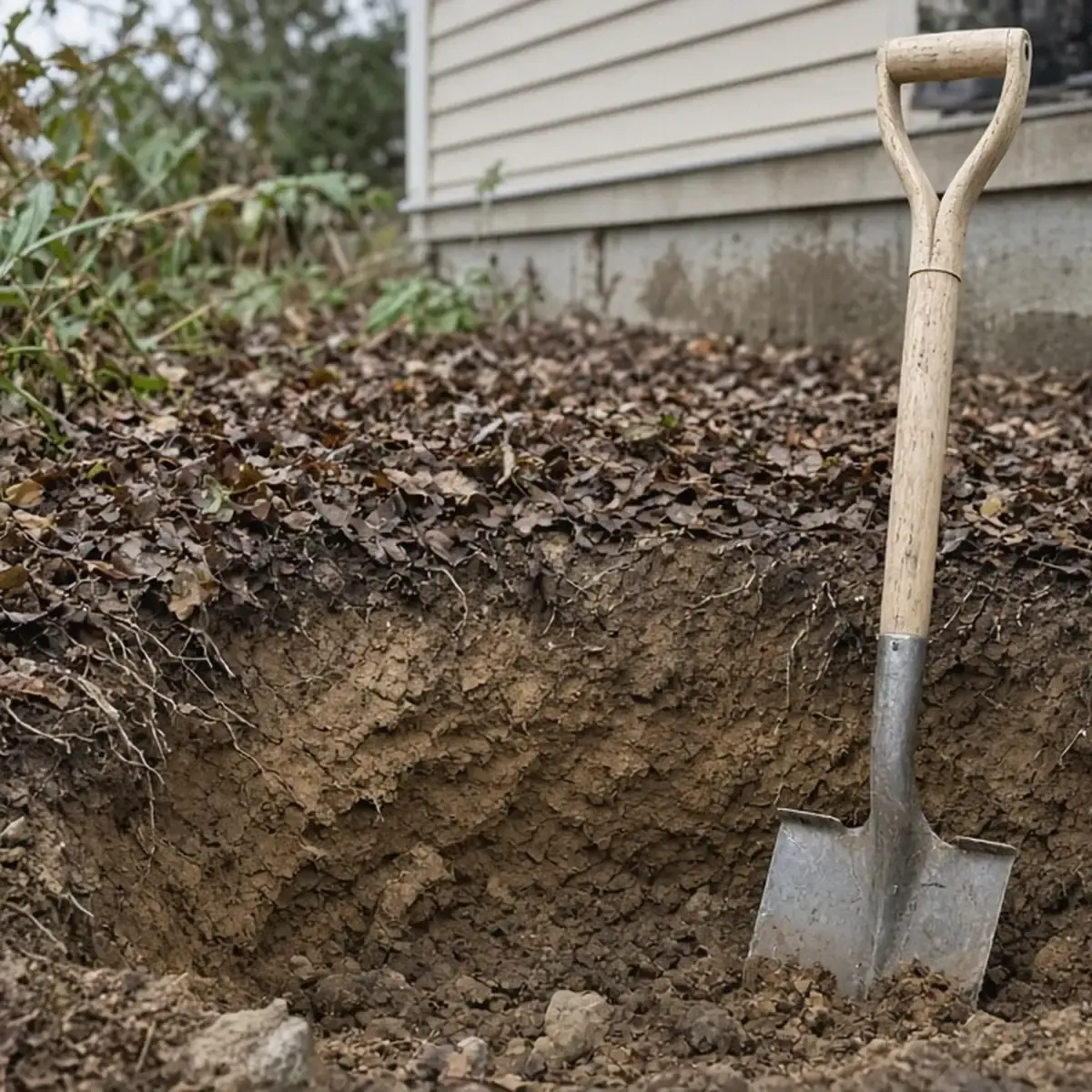
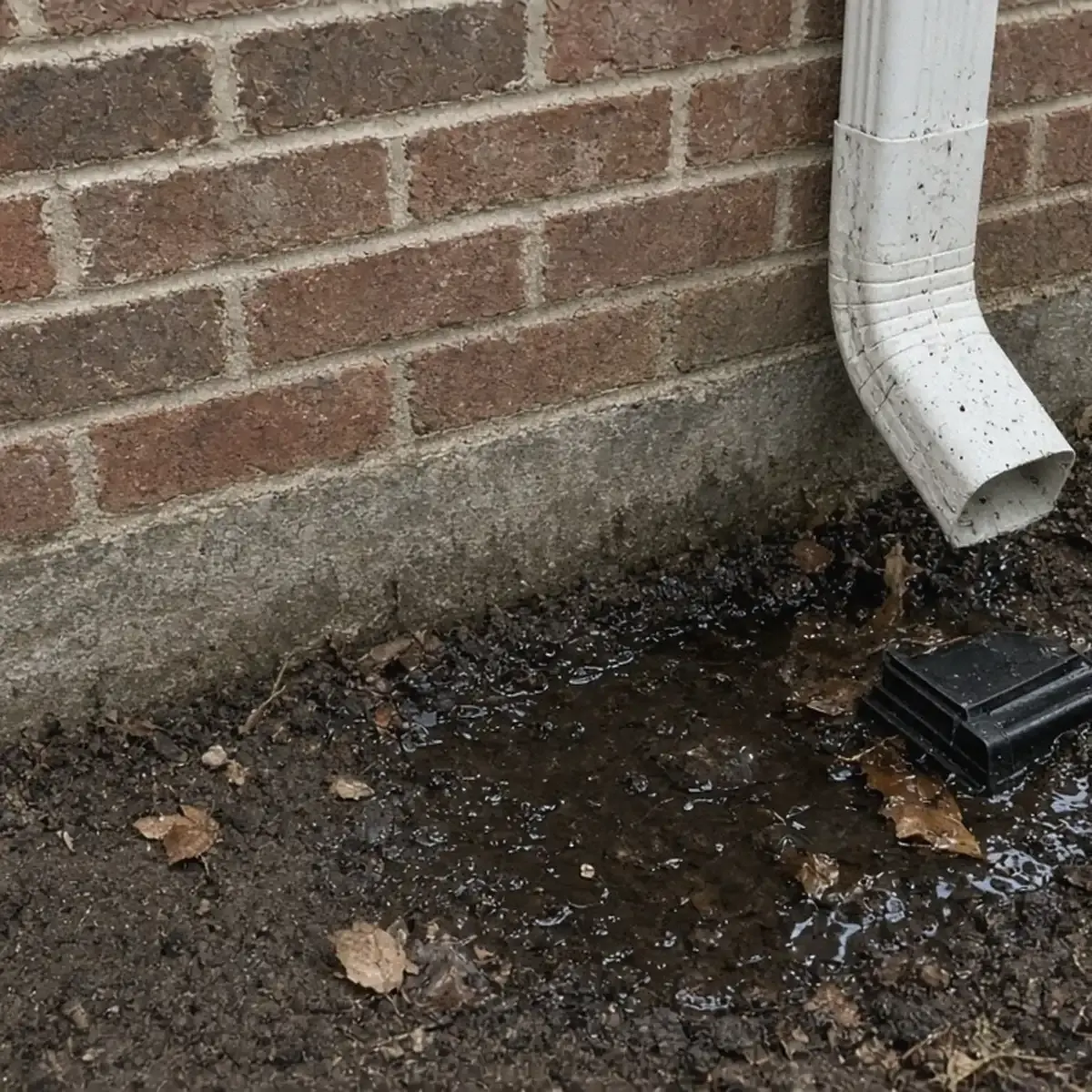
Work on an older home starts with the gutters, downspouts and grade, then moves to the wall, the joints and the floor edge. The least invasive fix that works is the one to ask for. For an older house that is often drainage and crack sealing inside, or regrading outside, before anything that means excavating against an aging foundation. Interior basement waterproofing
Frequently Asked Questions
Why do older Annapolis homes have wet basements?
Older homes have had more years of rain against the wall, and gutters, grades and joints wear out over time. The NOAA station at Annapolis records 43.99 inches of precipitation a year. The Maryland Geological Survey names the house foundation, landscaping and grading among the likely causes of a wet basement, and each of those gets checked at an inspection.
Does my house need a certificate of approval to waterproof?
If it is in the Annapolis Historic District and the work is on the exterior, yes. The City says exterior projects in the Historic District still require a certificate of approval in accordance with Chapter 21.56, even where a building permit is not required. What applies to a specific address should be confirmed before work starts.
Is interior or exterior waterproofing better for an old house?
It depends on where the water enters and what can be reached. Interior drainage avoids excavation against an older foundation, which is often the reason to choose it. Exterior work keeps water off the wall but means digging. An inspection of the wall, the floor joint and the grade is what settles the choice. Interior vs exterior waterproofing
Does the foundation material change the method?
Yes. Poured concrete, block and stone each hold and shed water differently, and HomeGuide names the foundation type among the factors that change the work. Block cores can hold water that a surface patch will not reach, and stone walls need joint work rather than a simple injection, so the material gets identified before a method is chosen.
How can I tell how old my house is?
Public property records usually list a year built, and the City of Annapolis can help with permit history for an address. The Census figures describe the city as a whole, not any one house, so they are useful for context rather than for dating a specific property.