
Crawl Space Waterproofing in Annapolis, MD for Standing Water and Damp Air
Local providers waterproof crawl spaces in Annapolis. A crawl space that collects water or holds damp air sits directly under the floor of the house, so the water comes first and the moisture second. Call 410-438-1597 to be connected with a local provider.
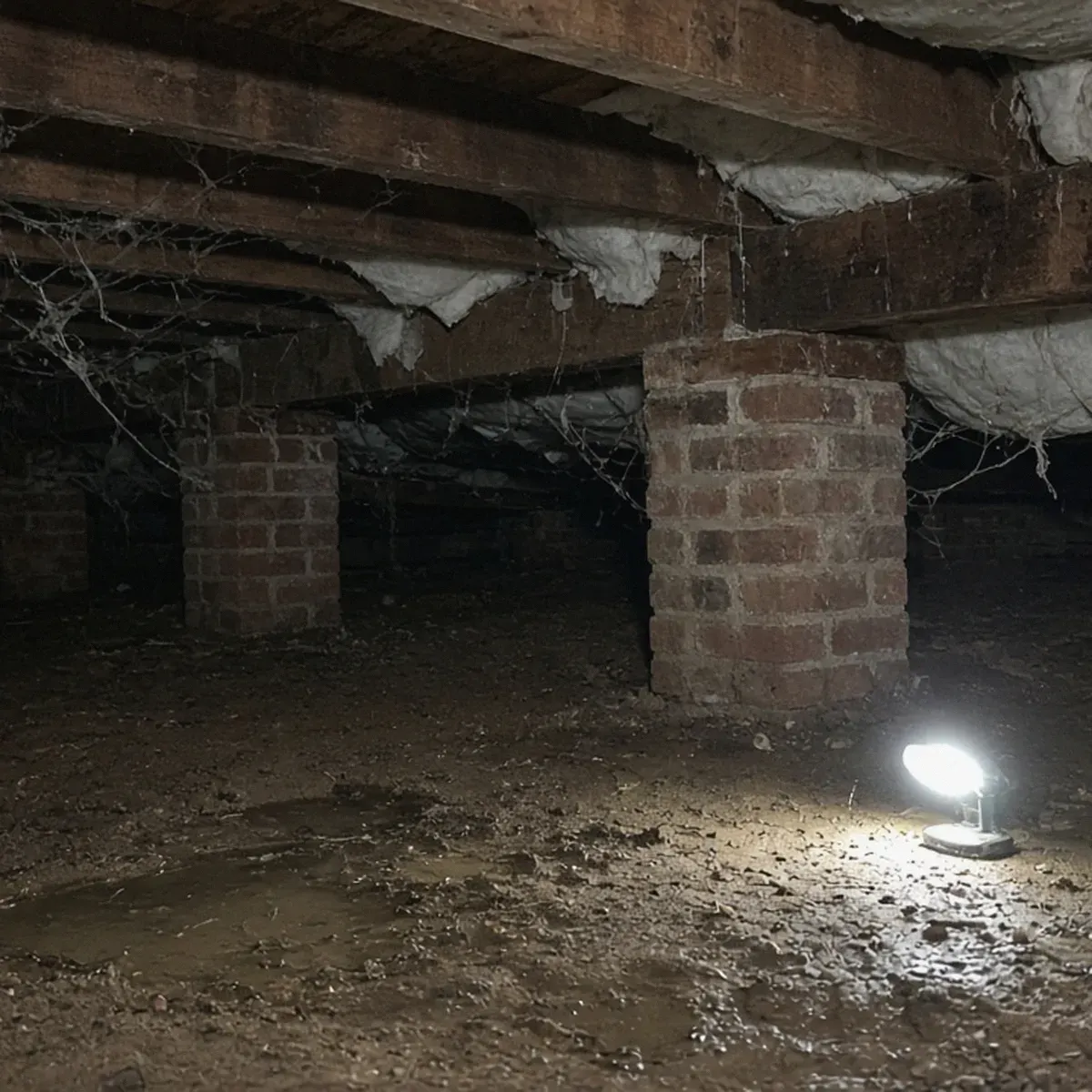
The EPA's guide to mold and moisture says the key to mold control is moisture control. A wet crawl space is a moisture problem under the whole floor, and the work is planned around where the water comes from.
What Crawl Space Waterproofing Involves in Annapolis
Stopping the water that enters the crawl space
The first question is where water gets in: a grade that slopes toward the foundation, a downspout that empties at the wall, or water coming through the wall or the ground. The EPA says to make sure the ground slopes away from the building foundation, so the outside gets fixed first. Exterior basement waterproofing
Draining the water that still gets in
HomeGuide's crawl space guide lists an interior crawl space drain, such as a French drain or perimeter drain, which includes trenching, gravel, pipes and a pump. Drainage and a pump go where the space collects water. Sump pump installation
Covering the ground and sealing the space
Vapor barriers and sealing are part of what HomeGuide describes as crawl space encapsulation: heavy-duty barriers and insulation across the space. HomeGuide says pre-existing issues such as mold, rot or standing water must be addressed before encapsulation, so those come first.
Controlling the humidity
The EPA advises keeping indoor humidity below 60 percent, and ideally between 30 and 50 percent. HomeGuide says an encapsulated crawl space in a humid environment needs a dehumidifier, and that humidity can still build up from condensation or leaks. The moisture control is sized to the space.
Work is performed by independent professionals. Local providers start with an on-site inspection and a written scope before any work begins.
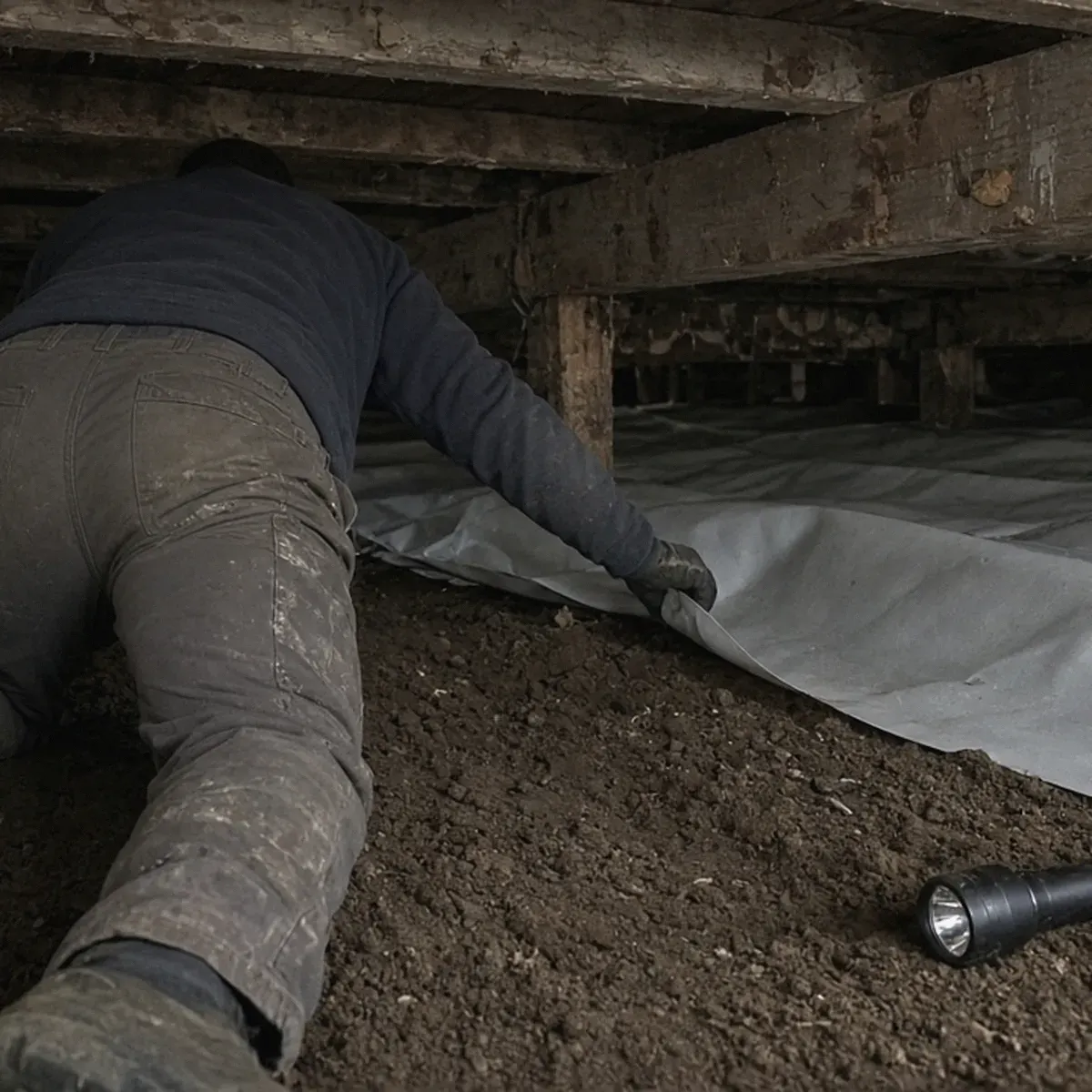
How a Crawl Space Gets Waterproofed
First comes an inspection of the crawl space for standing water, damp soil, mold, rot and wet insulation, along with a look outside at the grade and downspouts. Second, the plan is written with the drainage, the ground cover, the humidity control and the scope. Third, the water work is done before the sealing. Finally, the finished space is walked with you.
Why Annapolis Crawl Spaces Stay Damp
The NOAA climate normals for the Annapolis NAF, MD station (1991-2020) put summer precipitation at 13.25 inches, the wettest of the four seasons, in a year that totals 43.99 inches. Roof water and runoff have many chances to reach the foundation wall. The Maryland Geological Survey says the water table is typically at its highest in the spring and early summer months. Census data does not say how many Annapolis homes have crawl spaces, so each house has to be looked at rather than assumed. Why is my basement wet
Signs a Crawl Space Needs Waterproofing
- Standing water or damp soil after rain
- A musty smell inside the house that comes from below
- Mold or mildew on joists, insulation or the ground cover
- Wet or sagging insulation under the floor
- Cold or damp floors above the crawl space
- Pests attracted to a damp space, which HomeGuide lists among the effects of unmanaged moisture
What Changes the Scope of a Crawl Space Job
HomeGuide names the size of the space, how wet it is and whether mold or rot has to be repaired first among the factors that change crawl space work. A space with standing water and damaged insulation is a different job from a dry space that needs a ground cover, even in the same neighborhood, so the scope comes out of the inspection. How to compare waterproofing quotes
Frequently Asked Questions
Is crawl space waterproofing different from encapsulation?
They overlap. Waterproofing deals with the water that enters the space, and encapsulation seals the space with barriers and insulation. HomeGuide says standing water, mold and rot must be addressed before encapsulation, so the water comes first.
Do I need a dehumidifier in my crawl space?
Often. HomeGuide says an encapsulated crawl space in a humid environment needs a dehumidifier. The EPA advises keeping humidity below 60 percent, ideally between 30 and 50 percent. The conditions get measured and the equipment sized to the space.
Can a damp crawl space affect the rest of the house?
Yes. HomeGuide lists musty odors and damp conditions inside the home among the warning signs of a moisture problem in a crawl space. The space is directly under the floor, so it belongs to the house.
Should the insulation be replaced?
If it is wet, sagging or moldy, usually yes. Wet insulation holds moisture against the floor framing instead of drying out. The inspection should say which sections come out and what goes back once the space is dry.
Do I need a permit for crawl space work in Annapolis?
It depends on the work and the address. The City of Annapolis permit page lists installing or altering a plumbing system among the work that needs a permit, and exterior projects in the Historic District still need a certificate of approval. A provider should confirm what applies to your house before work starts.
Call Now for Crawl Space Waterproofing in Annapolis
For crawl space waterproofing in Annapolis, call 410-438-1597 to be connected with a local provider. You can also use the contact page, or start from the page on basement waterproofing in Annapolis, MD.