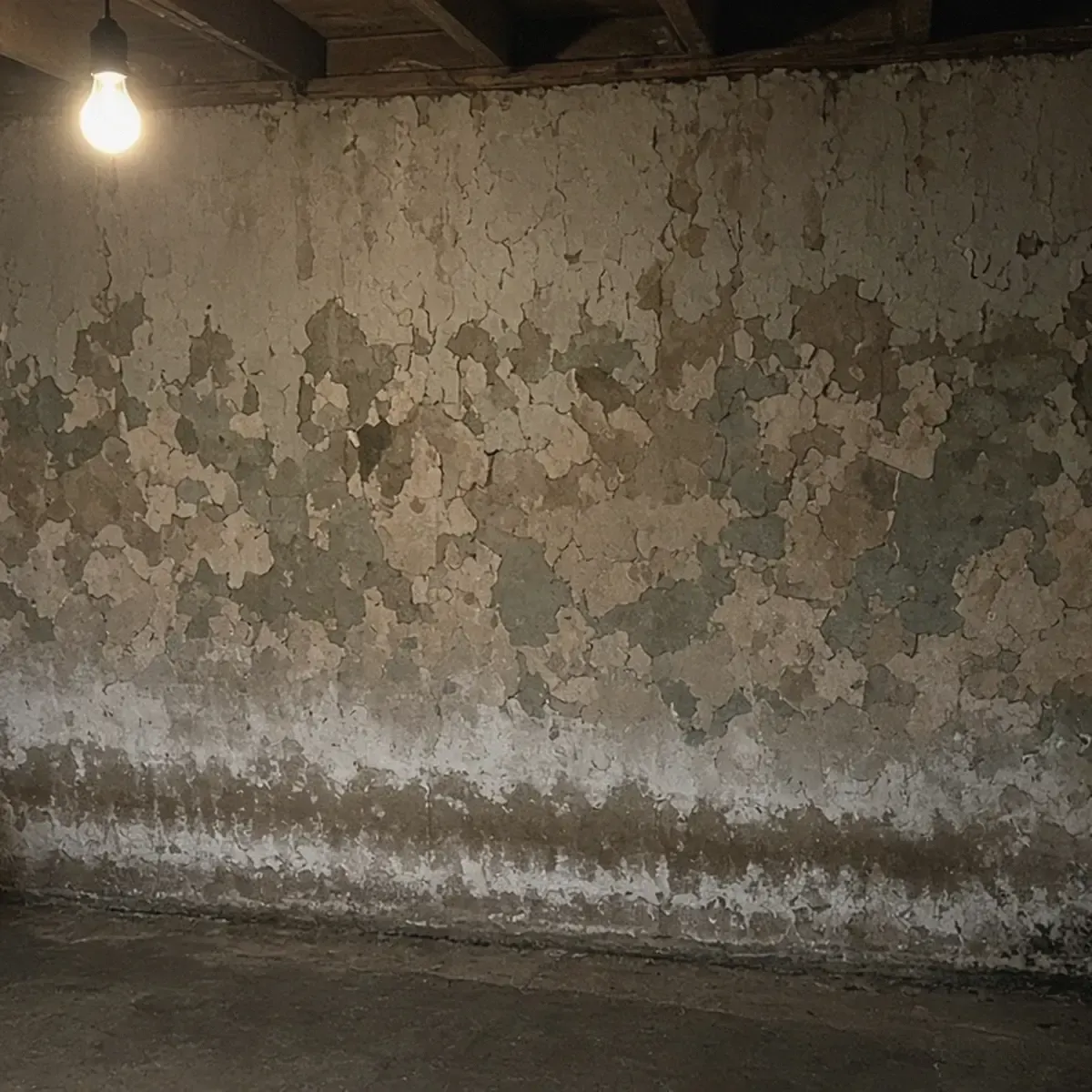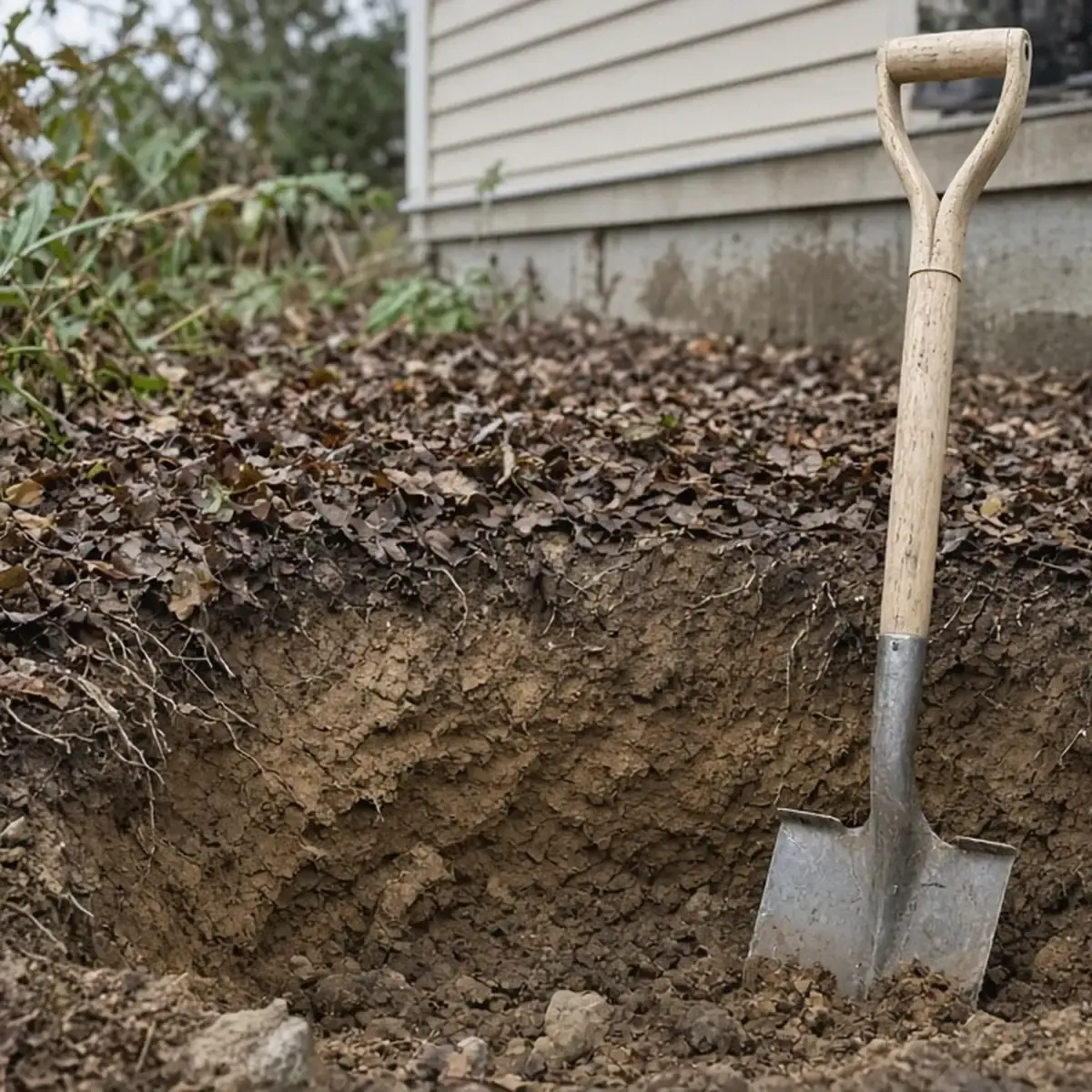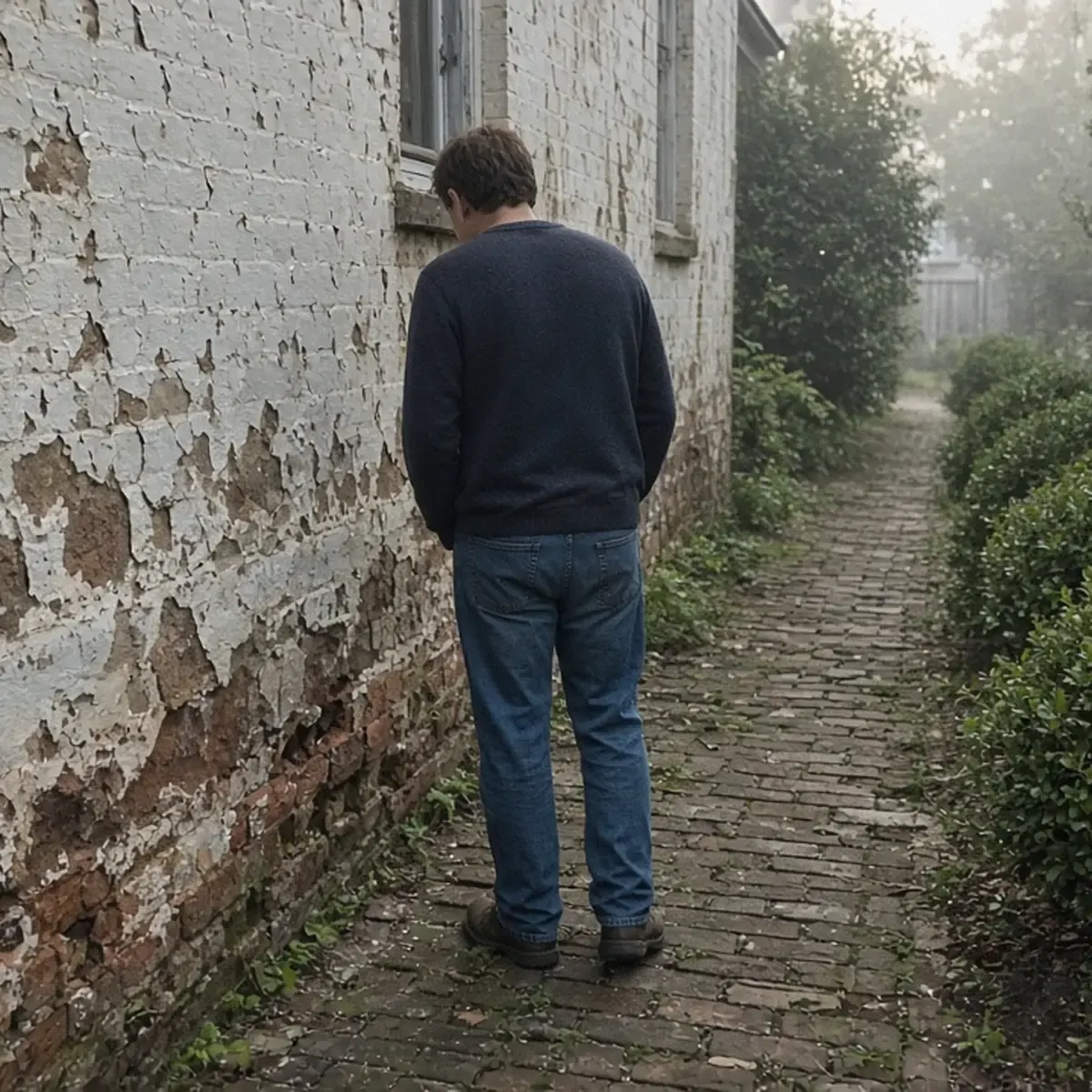
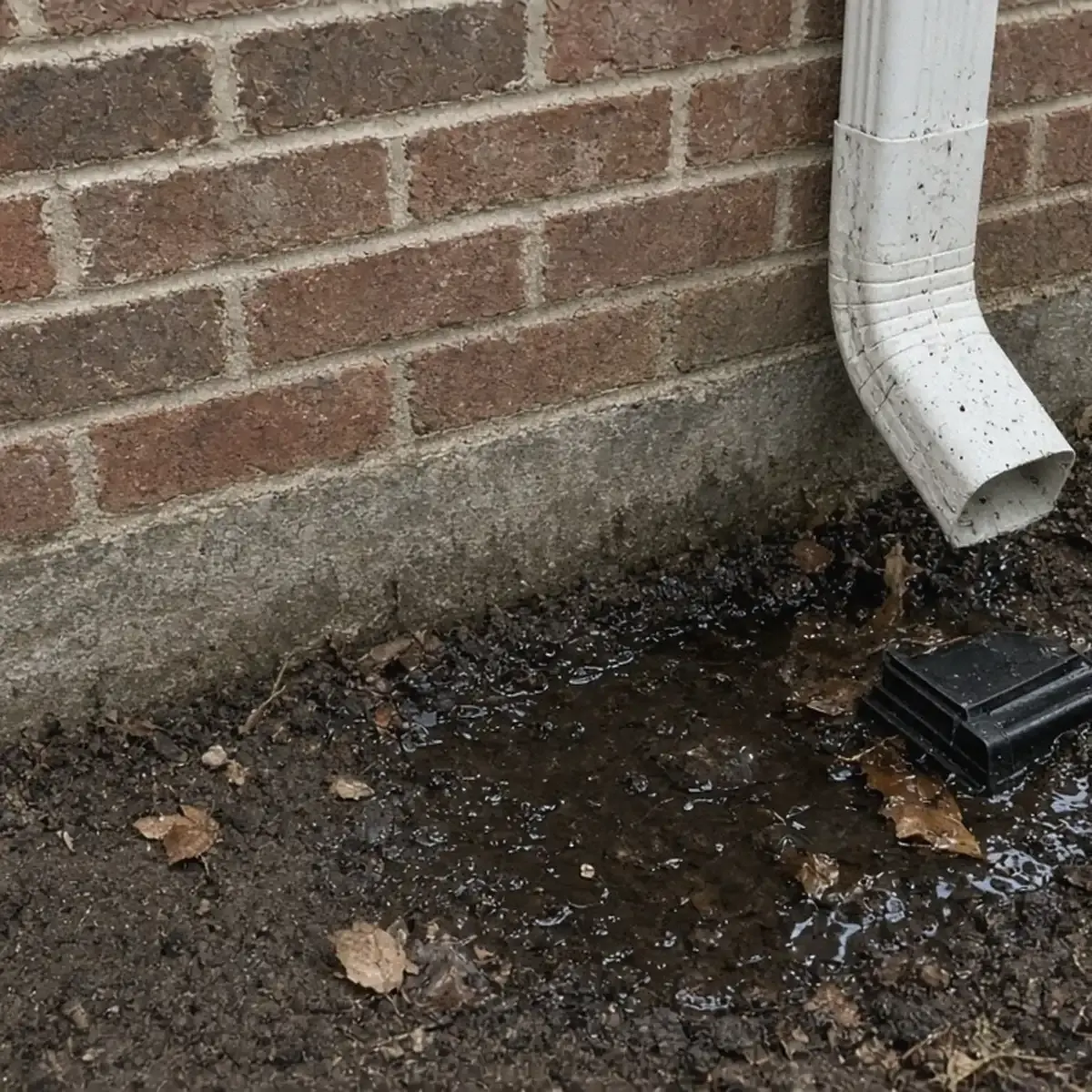
The Maryland Geological Survey says the majority of wet basements are likely not caused by rising groundwater, but attributed to improper treatment of the house foundation, landscaping issues, improper grading, etc. That means the cause is often something you can see and fix. This guide sets out the common causes in Annapolis and how a provider narrows them down to the one in your house.
The Short Answer
Basement water comes from the roof and the ground outside, from cracks and joints in the wall, or from a high water table after heavy rain. Gutters, downspouts and the slope of the yard come first, because they are the simplest to fix and the most likely causes by the Geological Survey's account.
Compare the Causes
| Cause | What it looks like | What fixes it |
|---|---|---|
| Gutters and downspouts | Damp wall or floor after rain, water at one corner | Clean and repair the gutters, extend or replace the downspouts |
| Grading that slopes toward the house | Water pools near the foundation | Regrade the ground to slope away, which HomeGuide says is occasionally enough on its own |
| Cracks in the wall | Water seeps from a crack after rain | Epoxy injection for minor cracks |
| Wall joint at the floor | Water appears along the base of the wall | Interior drainage and a sump pump |
| A high water table | Water after heavy rain or in spring | Drainage and a sump pump |
| Humidity and condensation | Damp smell and sweating walls, no puddles | Humidity control; the EPA advises below 60 percent, ideally 30 to 50 percent |
Start Outside: Gutters and Grade
Gutters and grade are where a wet basement investigation starts. The EPA's guide to mold and moisture says to clean and repair roof gutters regularly and to make sure the ground slopes away from the building foundation so water does not collect near it. A downspout that empties at the wall puts a roof's worth of water against the foundation. Wet basement repair
The Water Table and Heavy Rain
The water table matters most after heavy rain. The Maryland Geological Survey says the water table varies in depth both spatially and seasonally. Areas with a relatively shallow water table can pose problems with infiltration into basements, and the problem is accentuated following major rainfall events, or during the spring and early summer months when the water table is typically at its highest. The NOAA climate normals for the Annapolis NAF, MD station (1991-2020) record 43.99 inches of precipitation a year, with summer the wettest season at 13.25 inches.
Cracks and Joints
Cracks and joints are the weak points water finds in a basement wall, along with the joint where the wall meets the floor and pipe openings. HomeGuide says epoxy injection seals minor cracks and that sealers "won't stop water under pressure." Basement leak and crack repair
What Annapolis Adds
A USDA Web Soil Survey run over central Annapolis maps about 40% of the area as Annapolis-Urban land complex, and USDA describes the Annapolis series as well drained, with a seasonal high water table deeper than 72 inches. Urban land and filled ground change from one lot to the next, so the soil under your house may not match the map. About 59% of occupied homes in Annapolis were built before 1980, according to the Census Bureau's American Community Survey (2020-2024). Annapolis soil and your basement
How a Provider Finds the Cause
Finding the cause takes an inspection inside and out. First, the basement gets checked for where the water shows up. Second, the outside gets walked for gutters, downspouts and slope. Third, the provider names which cause or causes apply and which fix is the least invasive one that works. Finally, the scope goes in writing. Interior basement waterproofing
Frequently Asked Questions
Why does my basement get wet only when it rains hard?
Heavy rain overloads gutters, saturates the ground and can raise the water table. The Maryland Geological Survey says the problem with shallow water tables is accentuated following major rainfall events. The gutters, the grade and the wall are the three things to check to see which one is letting the water in.
Is groundwater the main cause of wet basements?
Usually not. The Maryland Geological Survey says the majority of wet basements are likely not caused by rising groundwater, but attributed to improper treatment of the house foundation, landscaping issues, improper grading, etc. In practice that means the roof, the yard and the wall come before the water table.
Is a damp basement the same as a leaking basement?
No. A damp basement can come from humidity and condensation, and a leak is water entering through the wall or floor. The EPA advises keeping indoor humidity below 60 percent, ideally between 30 and 50 percent, and a low-cost meter can check it. An inspection tells you which one a basement has.
How quickly should I dry a wet basement?
The EPA says to dry water-damaged areas and items within 24 to 48 hours to prevent mold growth. After drying, the cause still has to be found, because the water returns with the next storm.
Can a sump pump fix a wet basement?
Sometimes. A pump handles the water that drainage collects, and it does not stop water from reaching the wall. If a downspout is emptying at the foundation, that gets fixed first. Sump pump installation