
Wet Basement Repair in Annapolis, MD for Seepage, Flooding and Standing Water
Local providers repair wet and flooded basements in Annapolis. Pumping water out gets a house through one storm, so the work is to find where the water comes from and stop it, then set up drainage to handle what still gets in. Call 410-438-1597 to be connected with a local provider.
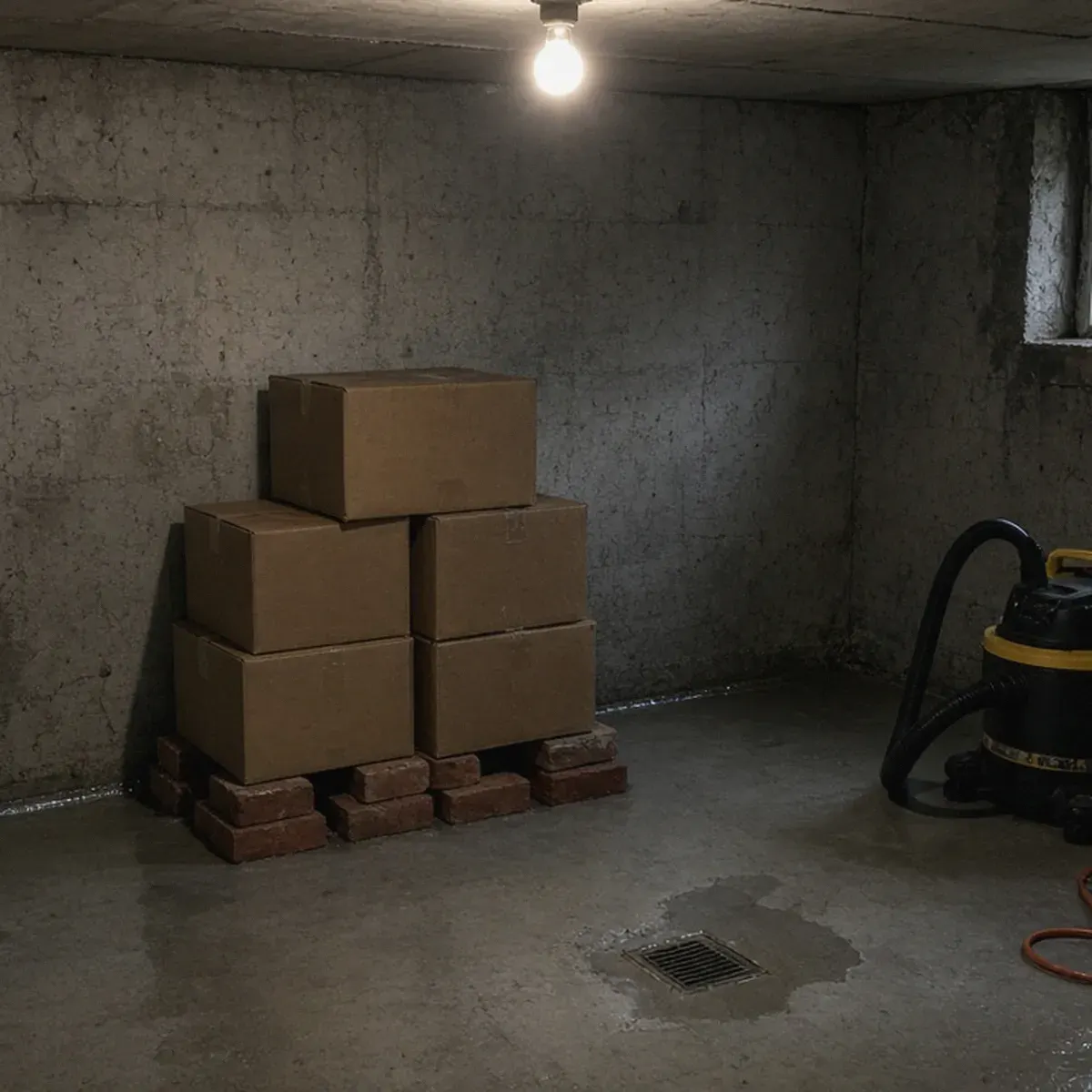
The Maryland Geological Survey attributes the majority of wet basements to the house foundation, landscaping and grading, not to rising groundwater. That is where a good inspection starts.
What Wet Basement Repair Involves in Annapolis
Finding the source of the water
The walls, the floor joint and the cracks get checked, then the outside of the house for downspouts that empty at the wall, gutters that overflow and ground that slopes toward the foundation. The EPA's guide to mold and moisture says to clean and repair roof gutters regularly and to make sure the ground slopes away from the building foundation. Why is my basement wet
Fixing the outside causes first
HomeGuide says regrading is occasionally enough on its own, and lists downspout work among the simpler fixes. When the cause is outside the wall, dealing with it there is less disruptive than a drainage system inside. Exterior basement waterproofing
Adding drainage and a pump when water still gets in
When the water table rises or water seeps through the wall, drainage and a sump pump keep the basement from collecting it. Interior basement waterproofing
Sealing what is letting water in
Cracks and joints that leak get repaired so the drainage has less to carry. Basement leak and crack repair
Work is performed by independent professionals. Local providers start with an on-site inspection and a written scope before any work begins.
What to Do in the First 48 Hours
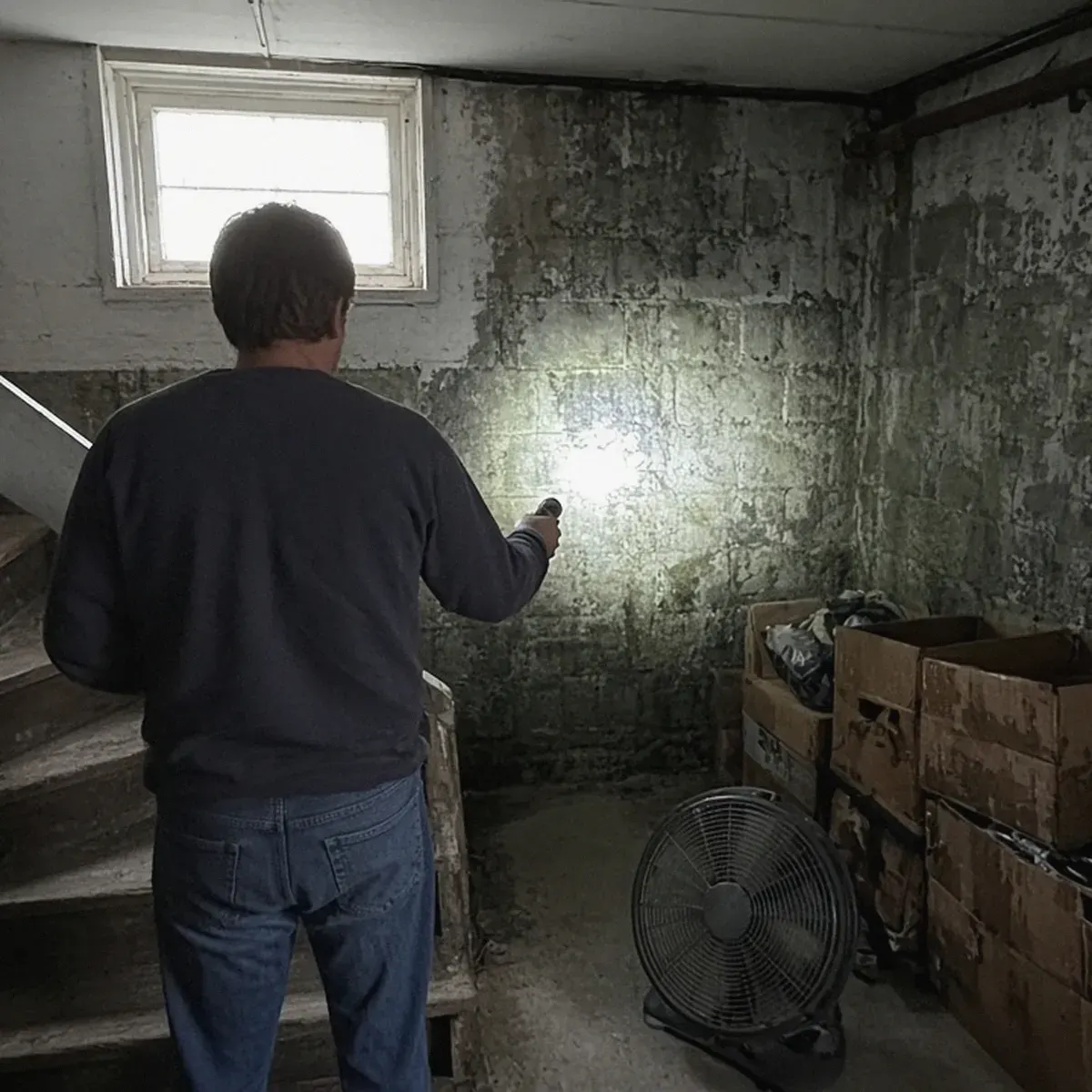
The EPA says it is important to dry water-damaged areas and items within 24 to 48 hours to prevent mold growth. Stay out of standing water near outlets, cords and the electrical panel. Move belongings off the floor, run fans and a dehumidifier once it is safe, and photograph the damage. Drying is the first job, and finding the source is the second. Mold remediation, when it is needed, is separate work handled by remediation contractors rather than by a waterproofing crew.
How a Wet Basement Gets Repaired
First comes an inspection inside and out, marking where the water entered. Second, the gutters, downspouts and grade get checked. Third, the plan is written with the outside fixes, the drainage, the pump and the scope. Finally, the work is done and the finished basement is walked with you.
Why Annapolis Basements Take On Water
The NOAA climate normals for the Annapolis NAF, MD station (1991-2020) record 43.99 inches of precipitation a year, and summer is the wettest season at 13.25 inches. The Maryland Geological Survey says the water table is typically at its highest in the spring and early summer months, and heavy rain can make infiltration into basements worse. A USDA Web Soil Survey of central Annapolis maps about 40% of the area as Annapolis-Urban land complex, and USDA describes the Annapolis series as well drained, so the gutters, the grade and the wall deserve a look before anyone assumes the water is coming up from below. Annapolis soil and your basement
Signs a Basement Needs Repair, Not Just Drying
- Water on the floor after every heavy rain
- Dampness that returns after the basement is dried
- A musty smell that stays after cleaning
- Mold or mildew on the lower walls or stored items
- White or gray chalky residue on the walls
- Rust at the base of the furnace, the water heater or the support posts
What Changes the Scope of a Wet Basement Job
How the water enters, how much wall or floor edge needs work and whether the cause sits outside the wall all shape the job. A basement that floods because a downspout empties at the foundation is a different repair from one where water pushes up at the floor joint every spring, and HomeGuide names severity, foundation type and method among the factors that change the work. The written scope should say which cause is being fixed. How to compare waterproofing quotes
Frequently Asked Questions
Why does my basement flood after rain?
Rain reaches the foundation from the roof, the downspouts and the ground. According to the Maryland Geological Survey, most wet basements are caused by foundation, landscaping and grading issues, not by rising groundwater. A high water table after heavy rain, cracks and wall joints are other causes. An inspection inside and out tells you which one you have.
How quickly do I need to dry a wet basement?
The EPA says to dry water-damaged areas and items within 24 to 48 hours to prevent mold growth. After that, the cause has to be fixed, because the water returns.
Can I fix a wet basement by pumping the water out?
Pumping removes the water that is there. It does not stop more from coming in. The source has to be found, with drainage and a pump to handle what still enters.
Does the basement need to be empty before work starts?
Usually the work area does. Clearing the walls and the floor edge lets a crew see where water enters and gives them room to cut a trench or open a wall. A provider should tell you at the inspection how much has to move and what can stay.
Does homeowners insurance cover a wet basement?
Coverage differs from policy to policy. Read your policy and ask your insurer whether water that seeps in or backs up is covered, and what your deductible is, before you file. Keep dated photos and a written scope of the repair for the claim.
Call Now for Wet Basement Repair in Annapolis
For wet basement repair in Annapolis, call 410-438-1597 to be connected with a local provider. You can also use the contact page, or start from the page on basement waterproofing in Annapolis, MD.