
Basement Waterproofing in Annapolis, MD for Wet, Leaking and Damp Basements
This site helps Annapolis homeowners find local basement waterproofing providers. In a city where the median owner-occupied home is worth $548,900 (Census Bureau, 2020-2024), a basement that floods, leaks or smells damp is a problem worth fixing at the source. Call 410-438-1597 to be connected with a local provider.
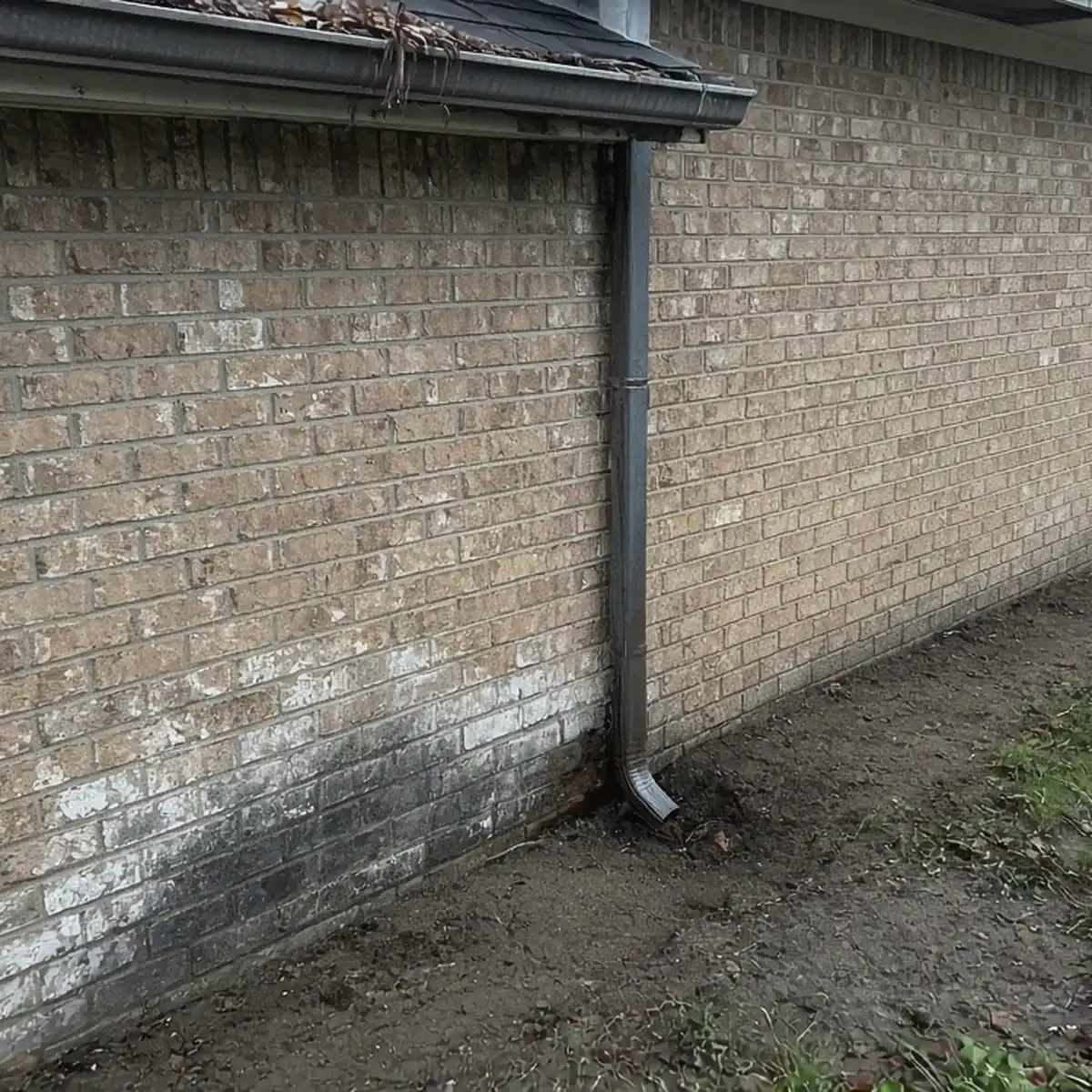
Basement water gets in a few ways: water sitting against the wall, a crack or a joint that lets it in, or a high water table after heavy rain. The Maryland Geological Survey says the majority of wet basements are likely not caused by rising groundwater, but attributed to improper treatment of the house foundation, landscaping issues and improper grading. A good provider finds which cause is yours first, then waterproofs the basement to match.
Basement Waterproofing Services in Annapolis
Basements get wet in different ways, so the system is chosen by where the water enters and where it needs to go.
Interior basement waterproofing
Interior drainage collects water that reaches the wall or the floor joint and carries it to a sump pump. Providers cut a channel along the floor edge, lay drainage, and finish the floor so the water has a path out. Interior basement waterproofing
Exterior basement waterproofing
Exterior waterproofing stops water before it reaches the wall. Providers dig down to the footing, clean and repair the foundation wall, apply a waterproof membrane and set drainage at the base. Exterior basement waterproofing
Crawl space waterproofing
A crawl space that holds water or damp air affects the floor above it. The work controls the water entering the space and the moisture inside it. Crawl space waterproofing
Basement leak and foundation crack repair
Not every crack leaks, and not every leak is a crack. Providers trace the leak to its source, seal the cracks that let water in, and say which ones can be left alone. Basement leak and crack repair
Wet and flooded basement repair
A basement that takes on water after storms needs the water stopped, not just removed. Providers find where it enters and set up drainage to carry it away. Wet basement repair
Sump pump installation and drainage
A sump pump lifts the water that drainage collects and sends it away from the house. The job covers the pit, the pump and the discharge line. Sump pump installation
Work is performed by independent professionals. Local providers start with an on-site inspection and a written scope before any work begins.
Why Annapolis Basements Get Wet
Three things work together in Annapolis: the weather, the ground and the age of the houses.
The rain is steady all year. The NOAA climate normals for the Annapolis NAF, MD station (ID USW00013752, 1991-2020) put precipitation at 43.99 inches a year. Summer is the wettest season at 13.25 inches, and winter is the driest at 8.20 inches. The same station averages about 56 days a year with a low at or below 32°F. Rain, runoff and cold all reach the walls and the ground around a basement.
The ground varies lot to lot. A USDA Web Soil Survey run over central Annapolis maps about 40% of the area as Annapolis-Urban land complex, which is more than half of the land, since about 28% of the area is water. USDA describes the Annapolis series as well drained, with a seasonal high water table deeper than 72 inches and low shrink-swell. Urban land and filled ground change from one lot to the next, so no soil map should be assumed to match your ground. The Maryland Geological Survey adds that the water table is typically at its highest in the spring and early summer months, and that areas with a relatively shallow water table can pose problems with infiltration into basements.
Most Annapolis homes are old. Census Bureau figures (American Community Survey, 2020-2024) show that about 59% of occupied homes in Annapolis were built before 1980, and about 14% were built in 1939 or earlier. About 41% are detached houses and about 25% are attached houses such as townhouses. Older walls, older drainage and older gutters have had many more storms to deal with, and the water that gets past them shows up in the basement.
Signs You Need Basement Waterproofing
Basement water often shows up as a sign before it shows up as a puddle. Look for:
- Water on the floor after rain, or a floor that stays damp
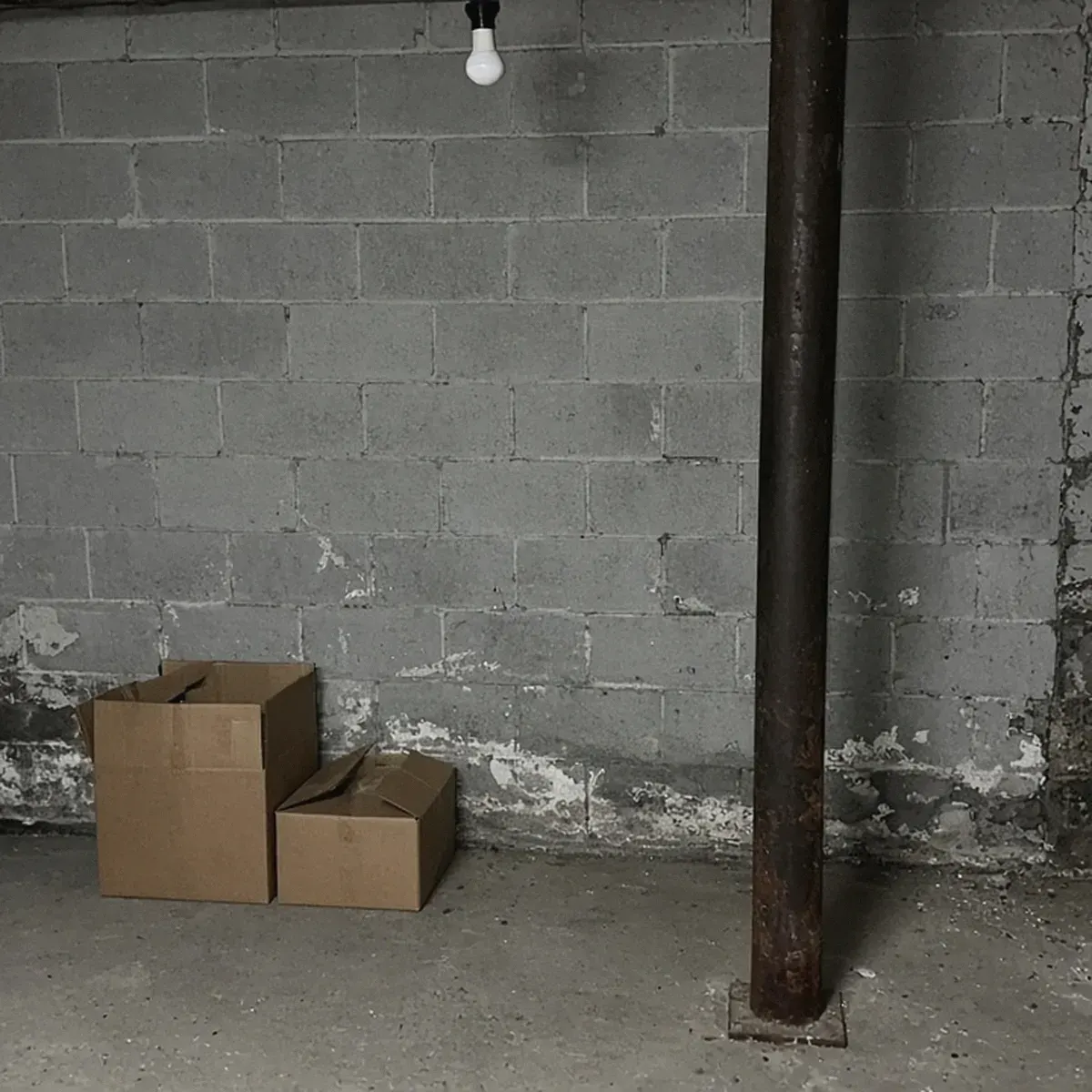
- White, chalky deposits on the walls (efflorescence)
- A musty smell that returns after cleaning
- Peeling paint or bubbling on the lower walls
- Cracks in the wall or a gap where the wall meets the floor
- Water lines or rust at the base of the walls, the water heater or the furnace
One damp spot after a storm can come from a clogged gutter. Several signs together, or water that returns every time it rains, mean the water is finding a way in and an inspection is due.
What to Look for in a Provider
A complete basement waterproofing scope says more than what gets installed. These are the points worth checking before anyone starts work:
- The cause, named. The plan says where the water is coming from and why, not just which product goes in.
- An outside inspection. Gutters, downspouts and grading belong in every inspection, because the Maryland Geological Survey names the house foundation, landscaping and grading among the causes of a wet basement.
- The system, explained. Interior drainage, exterior waterproofing or both, and the reason for the choice.
- The scope in feet. How many feet of wall or drainage, how many pumps, and where each one goes.
- The discharge. Where the pumped water ends up after it leaves the house.
- The warranty in writing. What is covered, for how long, and what voids it.
- A current MHIC license and insurance. The Maryland Home Improvement Commission says only MHIC-licensed contractors may enter into contracts with homeowners to perform home improvement work. Check license status on the Commission's website or call 410-230-6231, and ask for proof of insurance.
- The permit question answered. Who applies for any permit, and who confirms whether the Historic District rules apply.
How the Work Usually Goes
First comes an inspection of the basement, the walls, the floor joint and the outside of the house, marking where water enters and where it collects. Second, the gutters, the downspouts and the grading get checked, because water that runs toward the house ends up against the wall. Third, the system and the scope are written up. Finally, the crew does the work and walks the finished job with you. Permit rules in Annapolis are set by the City. Its permit page lists constructing, altering or repairing a building and installing or altering a plumbing system among the work that needs a permit, and exterior projects in the Historic District still need a certificate of approval. What applies depends on the work and the address, and a provider should confirm it before work starts.
Areas Served Around Annapolis
Local providers waterproof basements in Annapolis and the nearby Anne Arundel County communities. See the full service area
Frequently Asked Questions
Why is my Annapolis basement wet?
Often the cause is at the foundation or outside it. The Maryland Geological Survey puts most wet basements down to the foundation, landscaping and grading, not to rising groundwater. Clogged gutters, downspouts that empty at the wall, and ground that slopes toward the house send water against the foundation. A high water table after heavy rain, cracks and failed wall joints are the other common causes. An inspection inside and out tells you which one you have. Why is my basement wet
Should I choose interior or exterior waterproofing?
It depends on where the water enters. Interior drainage collects water that reaches the wall or the floor joint and pumps it out. Exterior waterproofing keeps water from reaching the wall at all, and it means digging down to the footing. A provider looks at the wall, the floor joint, the grading and how much of the house is accessible, then recommends one or both. Interior vs exterior waterproofing
Do I need a sump pump?
Not always. A sump pump is useful when drainage collects water that needs to be lifted out of the basement, or when the water table rises after heavy rain. If the water is coming from a downspout that empties at the wall, fixing that may be enough. The cause comes before the pump. Sump pump installation
Are cracks in my basement wall serious?
Not always. Hairline cracks are common in concrete, and many are not letting water in. A crack that leaks, grows, or sits next to a bowed wall is a different case. A provider looks at the crack and the water and tells you which one you have. Basement leak and crack repair
How do I check a waterproofing contractor's license in Maryland?
Use the license status search on the Maryland Home Improvement Commission's page, or call the Commission at 410-230-6231. The Commission says only MHIC-licensed contractors may enter into contracts with homeowners to perform home improvement work. Ask for proof of insurance as well. How to compare waterproofing quotes
Do I need a permit for basement waterproofing in Annapolis?
It depends on the work and the address. The City of Annapolis permit page lists altering or repairing a building and installing or altering a plumbing system among the work that needs a permit (City Code 17.12.022), and exterior projects in the Historic District still need a certificate of approval (Chapter 21.56). A provider should confirm what applies to your house before work starts.
Call Now for Basement Waterproofing in Annapolis
For basement waterproofing in Annapolis, call 410-438-1597 to be connected with a local provider. You can also use the contact page.